
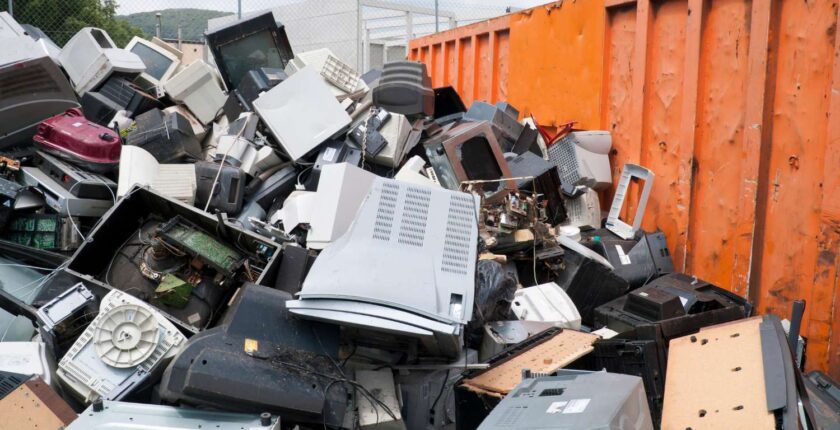
E-Waste Disposal: The Rising Issue of Electronic Waste
Electronic waste (e-waste) is rapidly becoming one of our most significant environmental challenges. As technology advances and consumer electronics become more ubiquitous, the volume of discarded electronic devices continues to soar.
Addressing e-waste management is crucial for environmental sustainability. Improper electronics disposal can lead to toxic substances being released into the environment, contaminating soil and water. Moreover, the finite nature of the resources used in electronic manufacturing underscores the need for efficient recycling practices.
Now, we will delve into detailed e-waste management practices and provide guidance on how to recycle unwanted electronics properly. We aim to equip you with the knowledge needed to make informed decisions about electronic disposal. Learn more about the growing issue of e-waste below, and count on Seagull Disposal to help you meet your e-waste needs.
What is E-Waste?
Electronic waste, commonly called e-waste, refers to any discarded electrical or electronic device that has reached the end of its useful life and is thrown away, recycled, or otherwise disposed of by its owner. This includes a wide range of items such as smartphones, computers, televisions, household appliances, and other gadgets powered by electricity or batteries.
E-waste isn’t just limited to broken electronics, even devices that are still functional but no longer wanted or outdated contribute to this waste stream. These items often contain a mix of materials and components, from valuable metals like copper and gold to hazardous substances such as lead, mercury, and cadmium. When improperly discarded, e-waste can pose serious threats to human health and the environment, as toxic materials may leach into soil and water or create hazardous conditions during informal recycling.
The Impact of E-Waste on the Environment
Electronic waste has significant environmental consequences, primarily due to the depletion of valuable resources and pollution. The manufacturing of electronic devices consumes vast quantities of metals and minerals. This strains our natural resources and involves energy-intensive processes that contribute to environmental degradation.
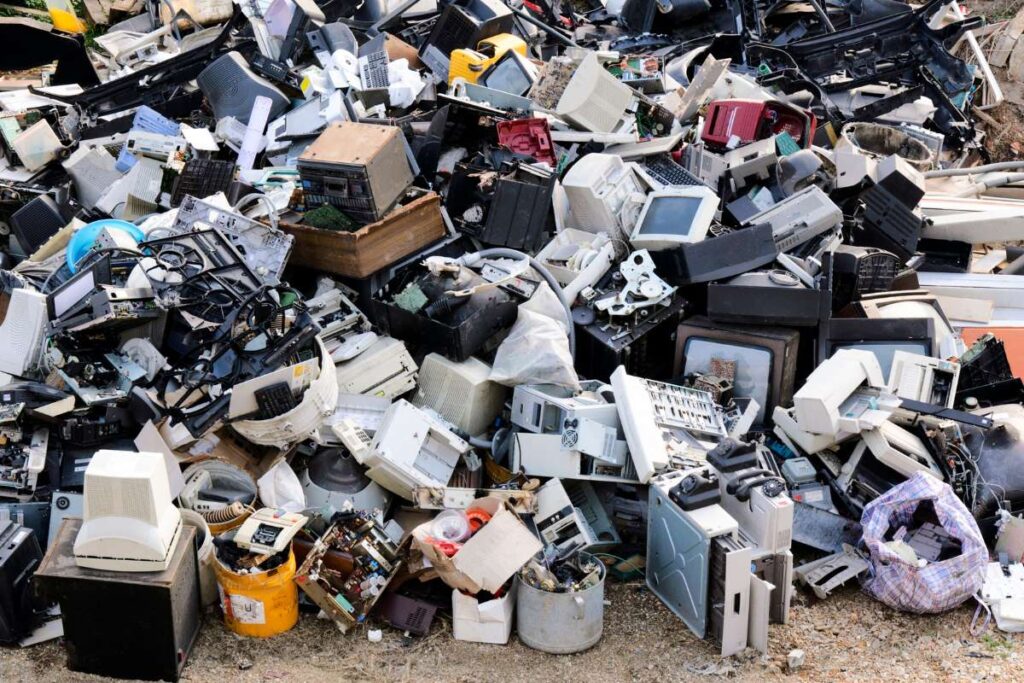
Manufacturing processes for electronics release harmful pollutants into the air and water. The production of electronic devices is linked to significant greenhouse gas emissions, exacerbating global climate change. Additionally, the chemicals used in these processes can contaminate local ecosystems, posing risks to both wildlife and human health.
Improper disposal methods such as landfilling, incineration, and informal recycling pose severe environmental risks. Landfills can leak toxic substances into the soil and groundwater, and incineration releases hazardous gases into the atmosphere. Informal recycling, often conducted in developing countries, exposes workers to dangerous conditions and pollutants. For these reasons, everyone needs to rely on trained professionals who understand how to dispose of this type of waste responsibly.
Understanding the Challenges of E-Waste Disposal
E-waste management is a complex issue with multiple challenges that need addressing to improve recycling rates and reduce environmental impact. Some of the biggest challenges that we need to address when we dispose of this type of waste include:
Complexity of Materials
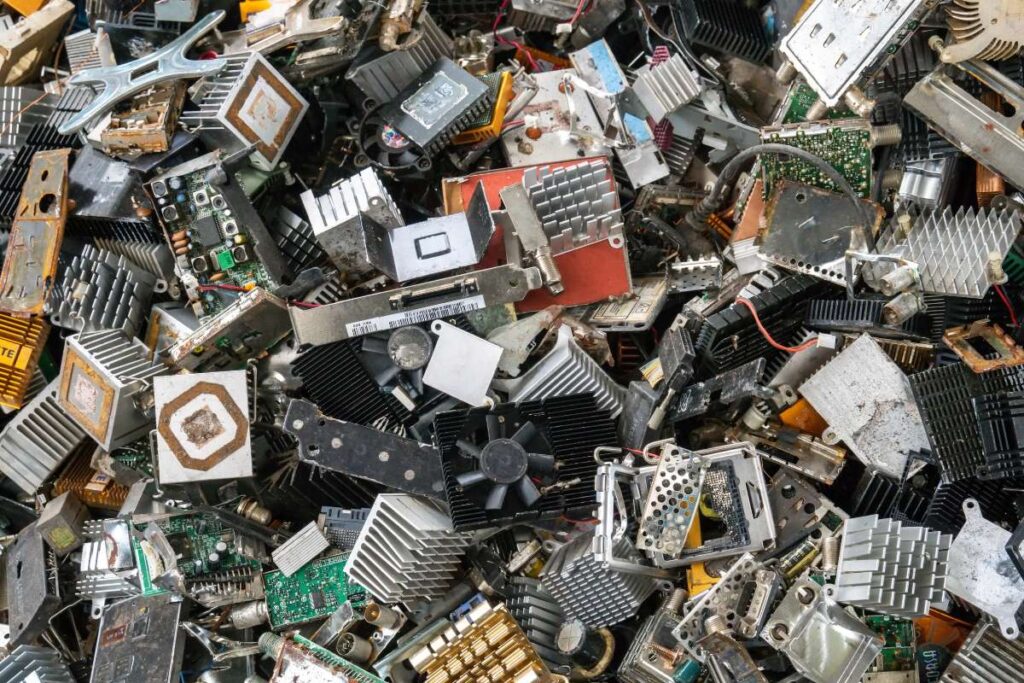
Electronic devices contain various materials, including metals, plastics, and rare earth elements. This diversity makes disassembly and processing challenging. Each component requires specific handling and recycling methods to ensure efficient resource recovery.
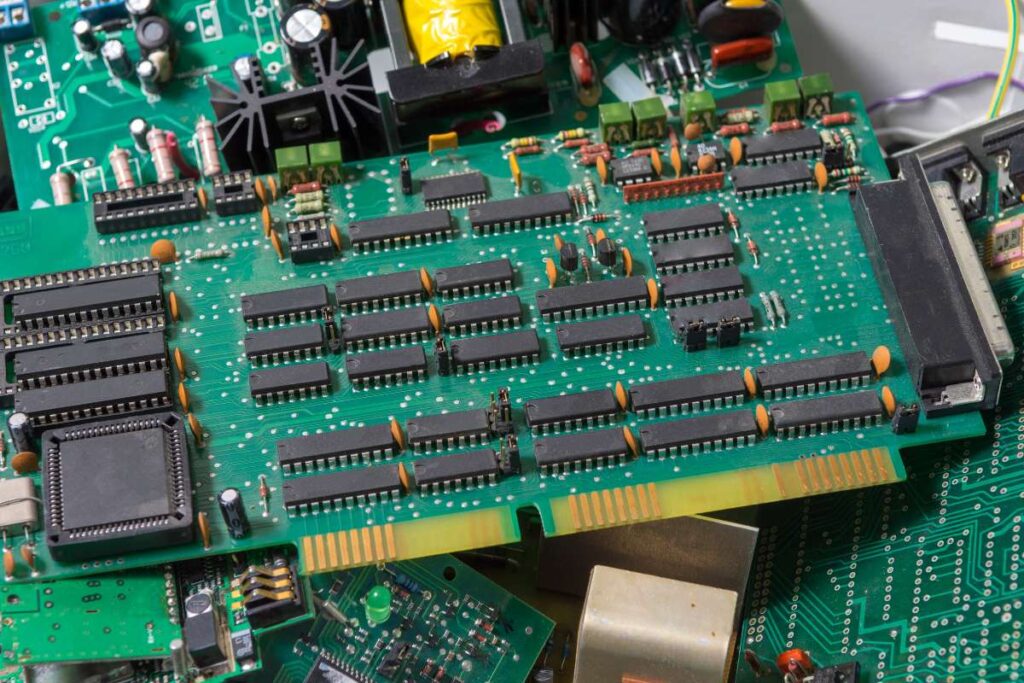
Disassembling electronic devices is labor-intensive and requires specialized equipment to safely extract valuable materials without causing environmental harm. The complexity of modern electronics, with intricate circuitry and compact designs, further complicates the recycling process.
Efficient e-waste processing demands advanced technologies and skilled labor, both of which can be costly. However, investing in these resources is essential for maximizing material recovery and minimizing environmental impact.
Lack of Infrastructure
Many regions lack the necessary infrastructure for effective e-waste recycling. This deficiency leads to widespread improper disposal practices, exacerbating environmental and health risks.
Inadequate facilities mean that many electronic devices end up in landfills or are incinerated, releasing toxic substances into the environment. The absence of accessible recycling programs also discourages consumers from participating in proper disposal practices.
Governments and organizations must invest in establishing and expanding e-waste recycling infrastructure to address this issue. Creating convenient and efficient collection and processing facilities is crucial for managing e-waste sustainably.
Consumer Awareness
Limited awareness among consumers about the importance of recycling and proper e-waste disposal significantly contributes to low recycling rates. Many people are unaware of the environmental impact of e-waste and the benefits of recycling.
Raising awareness through education and outreach programs is vital for encouraging responsible disposal practices. Consumers need to understand the environmental consequences of their actions and the steps they can take to mitigate them.
By promoting e-waste recycling and providing clear guidelines, we can empower individuals to make environmentally conscious decisions regarding their electronic devices. Do not hesitate to reach out to an expert with any questions about disposing of electronic waste.
Data Security Concerns
One significant barrier to proper e-waste disposal is the concern over data security. Discarded electronic devices often contain sensitive personal information that could be exploited if not properly sanitized. Today, data is more ubiquitous than ever, and you must take steps to protect your data properly.
Ensuring data security requires implementing secure data erasure methods before disposal. Consumers must be educated on effectively wiping data from their devices to prevent potential data breaches.
Proper data sanitization protects individuals’ privacy and facilitates the safe recycling of electronic devices, as it eliminates one of the major concerns associated with e-waste disposal. You should reach out to an expert to learn more about data privacy and ensure you work with someone who wipes your data from all electronics before you dispose of them.
How to Dispose of Old Electronics Responsibly
Disposing of old electronics responsibly involves several strategies ensuring minimal environmental impact and maximum resource recovery. A few key points to keep in mind regarding the disposal of electronics include:
1. Reuse and Refurbishment
One of the most effective ways to reduce e-waste is by reusing and refurbishing old electronics. Donating or selling functional devices can extend their lifespan and prevent them from becoming waste prematurely.
Refurbishment involves repairing and upgrading older devices to restore their functionality. This process conserves resources and provides affordable technology options for those in need.
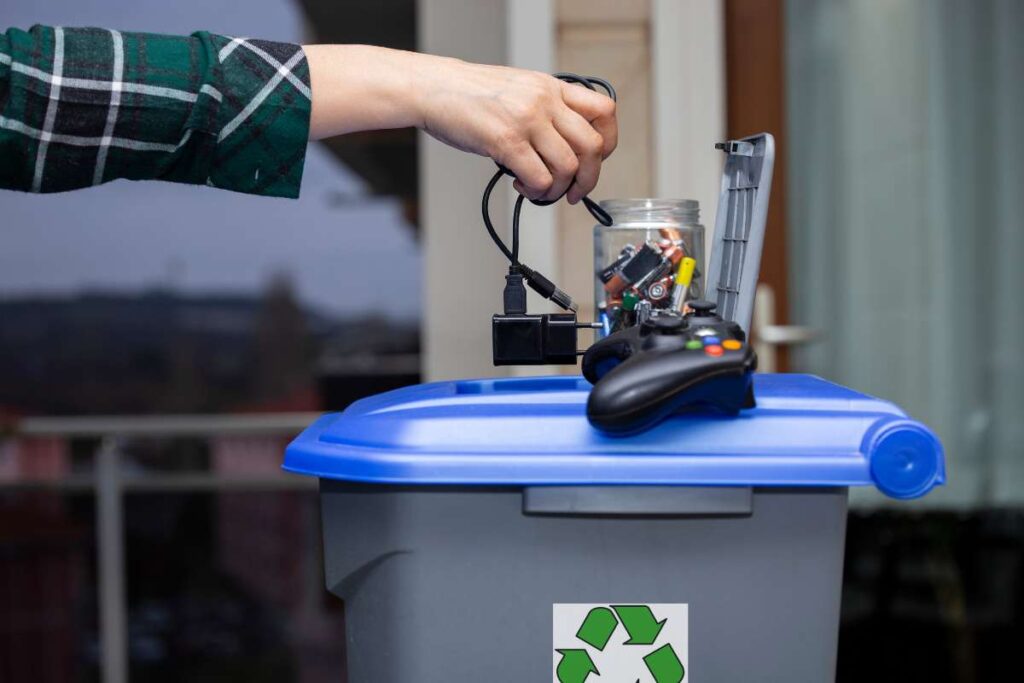
By prioritizing reuse and refurbishment, we can significantly reduce the volume of e-waste and promote a more sustainable approach to electronic consumption. We can also make it easier for everyone to have access to advanced electronic equipment.
2. Recycling Programs
Various recycling programs offer viable options for responsibly disposing of old electronics. Manufacturer take-back programs allow consumers to return the devices they use to the producer for proper recycling.
Municipal e-waste collection centers provide local options for recycling electronic devices. These centers ensure that e-waste is processed correctly and valuable materials are recovered. They also help to reduce the impact of e-waste on the environment as a whole.
Certified e-waste recyclers adhere to strict environmental and safety standards, ensuring that electronics are recycled responsibly. Utilizing these programs helps prevent environmental contamination and promotes resource recovery.
3. Data Erasure Methods
Securely erasing personal data from electronic devices such as cell phones before disposal is crucial for protecting privacy and preventing data breaches. Effective data wiping techniques and tools are essential for this process.
Software solutions are available that can overwrite data multiple times, ensuring it cannot be recovered. Physical destruction of storage devices, such as hard drives, is another method to ensure data is irretrievably erased.
Educating consumers on the importance of data erasure and the methods available can help address privacy concerns and promote responsible e-waste disposal.
4. Battery Disposal
Proper battery disposal is vital to prevent environmental contamination and fire hazards. Batteries contain toxic materials and substances that can leach into the environment if not handled correctly.
Consumers should be informed about the dangers of improper battery disposal and the safe methods available. Many recycling programs accept batteries and ensure they are processed in an environmentally friendly manner.
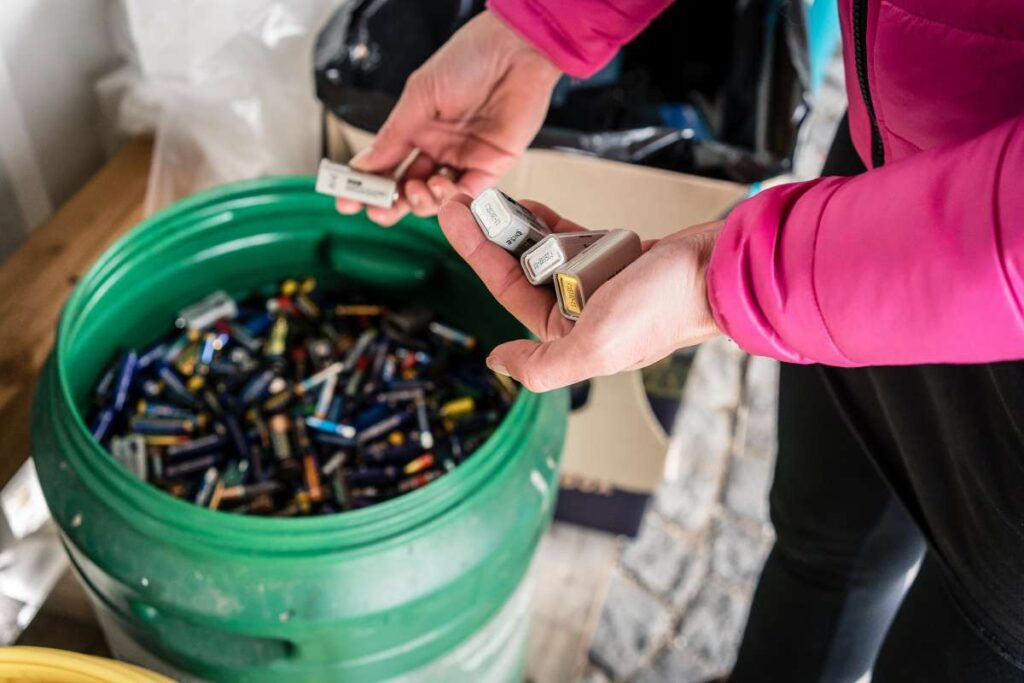
By following safe battery disposal practices, we can reduce the risk of environmental harm and promote a cleaner, safer environment.
Frequently Asked Questions About E-Waste
What qualifies as e-waste?
E-waste includes any discarded electronic device or component that uses electricity or batteries. Common examples include computers, laptops, smartphones, televisions, printers, monitors, cables, chargers, and small household appliances.
Why is e-waste considered hazardous?
Many electronic devices contain toxic materials such as lead, mercury, cadmium, and flame retardants. When improperly disposed of, these substances can leach into soil and water or become airborne, posing serious risks to human health and the environment.
Can e-waste be thrown in the trash?
In many states, electronics cannot legally be disposed of in regular trash or landfills. Even where allowed, throwing e-waste away is strongly discouraged due to environmental risks and lost recycling opportunities. Always check local and state disposal regulations.
What happens to e-waste when it is recycled?
Properly recycled e-waste is dismantled and processed to recover valuable materials such as copper, aluminum, and precious metals. Hazardous components are handled safely to prevent environmental contamination, while reusable parts may be refurbished or repurposed.
How much e-waste is recycled compared to what is generated?
Despite growing awareness, only a small percentage of global e-waste is formally recycled, with the majority still ending up in landfills, informal recycling operations, or illegal export streams. This gap highlights the need for better infrastructure and consumer participation.
Are businesses responsible for managing their e-waste?
Yes. Many state and federal regulations place responsibility on businesses to ensure electronics are disposed of properly. This may include working with certified recyclers, maintaining records, and complying with data destruction and environmental safety requirements.
Taking Action to Combat Electronic Waste
Addressing e-waste management is critical to mitigating its environmental and health impacts. By understanding the challenges and implementing responsible disposal practices, we can make a significant difference.
Transitioning towards a circular economy model, where resources are conserved, reused, and recycled, is essential for creating a sustainable future. This approach not only reduces waste but also conserves valuable resources and minimizes environmental impact.
Seagull Disposal offers comprehensive junk removal services, including the proper disposal of large appliances and electronics. Our team ensures that your old devices are recycled responsibly, helping to protect the environment.
Schedule your junk removal or cleanout services with our team today by calling 443-880-0809. We would be honored to help you dispose of your old electronic devices.