
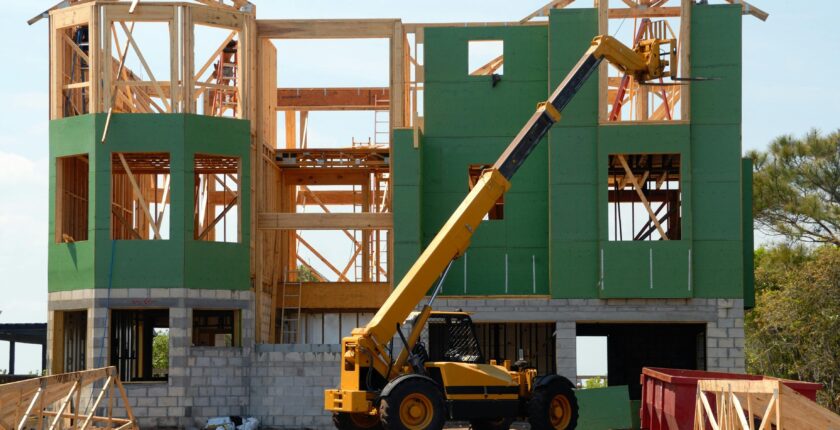
5 Sustainable Waste Solutions for Construction Sites
Construction sites are among the largest producers of waste in any industry, generating millions of tons of debris annually that often end up in landfills unnecessarily. The construction sector’s environmental impact extends far beyond the buildings themselves, encompassing the entire lifecycle of materials from extraction through disposal. As a result, it is important to think about how the materials used in construction are disposed of once the project is finished.
By rethinking how materials are handled throughout the construction process, contractors can significantly minimize waste while maximizing project efficiency and profitability. Smart waste management strategies not only reduce environmental impact but also streamline operations, improve safety conditions, and often result in substantial cost savings for construction projects of all sizes.
Next, we will focus on practical, sustainable waste management practices that construction teams can implement immediately to reduce their environmental footprint. At Seagull Disposal, we understand the unique challenges construction sites face and are committed to supporting the Eastern Shore construction community with reliable, environmentally responsible waste management solutions. Take a look at how our professional team can help you reach your goals, and contact us to get started.
Why Sustainable Construction Waste Management Matters

Reducing waste helps cut down on disposal costs while significantly lowering a project’s overall environmental footprint through decreased landfill usage and resource conservation. Construction waste disposal can account for 10-15% of total project costs, making waste reduction strategies a direct path to improved profitability and environmental responsibility.
Sustainable practices also improve site safety by reducing clutter and promoting better material organization that prevents accidents and enhances workflow efficiency. Clean, well-organized construction sites experience fewer delays, improved worker productivity, and reduced liability risks associated with debris-related injuries or equipment damage.
Sustainable Construction Practices
On-site sorting ensures recyclable materials like wood, metal, and concrete are properly recovered rather than sent to landfills, where they consume valuable space. Proper sorting systems can divert a significant amount of construction waste from landfills, transforming disposal costs into potential revenue streams through material resale and recycling programs.
Having a comprehensive waste management plan and consistently implementing it can help construction sites achieve significant efficiency improvements and sustainability goals. Successful sustainable construction practices require commitment from all team members, from project managers to individual workers, creating a culture of environmental responsibility that extends beyond single projects. What are a few of the most important points you need to keep in mind?
1. Renewable Building Materials
Using renewable building materials, such as bamboo flooring, recycled steel beams, or reclaimed wood, significantly reduces reliance on finite natural resources while often providing superior performance characteristics. These materials typically require less energy to produce and transport compared to traditional options, reducing the overall carbon footprint of construction projects while supporting sustainable forestry and recycling industries.
Renewable options provide exceptional durability and sustainability without compromising the construction quality or aesthetic appeal that clients expect. Many renewable building materials offer enhanced properties such as improved insulation, moisture resistance, or structural strength, making them practical choices that deliver long-term value and environmental benefits simultaneously. While it is important to think about price, it is also critical to think about the carbon footprint that might be created during the process.
2. Reducing On-Site Waste Through Smarter Planning

Careful measurement and precise ordering of materials minimize excess inventory that often becomes waste when projects change scope or materials deteriorate during storage. Advanced planning software and building information modeling can reduce material waste through accurate quantity calculations and improved coordination between trades. This can save a lot of time and money while also reducing the environmental footprint generated by the project.
Implementing on-site recycling stations makes it significantly easier for construction crews to separate reusable or recyclable debris immediately, rather than mixing everything into general waste containers. Strategic placement of clearly labeled sorting stations near high-activity areas encourages proper separation while reducing the time workers spend managing waste disposal tasks.
3. Implement On-Site Sorting Stations
Setting up dedicated bins for wood, metal, concrete, and recyclables makes it easier to keep valuable materials out of landfills while creating potential revenue streams from material sales. Proper sorting infrastructure should include weather-resistant containers, clear signage in multiple languages, and convenient locations that don’t interfere with construction workflows or safety protocols.
Clear signage and comprehensive crew training ensure waste is properly separated from the start, saving significant time and disposal costs while improving overall site organization. Training should cover material identification, proper sorting procedures, and the economic benefits of waste reduction to encourage consistent participation from all team members.
Sorted materials can often be reused directly on-site for different applications or sent to specialized recycling facilities that transform construction waste into new building products. Many sorted materials, such as clean concrete, metal scraps, and dimensional lumber, retain significant value and can offset disposal costs or generate revenue for future projects. This is a great way to not only protect the environment but also reduce overhead costs in the process.
4. Prioritize Local Suppliers
Choosing local suppliers reduces transportation emissions, supports the regional economy, and often provides faster delivery times for critical materials. Local sourcing typically reduces transportation costs while significantly decreasing the carbon footprint associated with shipping materials over long distances and minimizing delivery scheduling complications.
Locally sourced materials often arrive with minimal packaging requirements, as they don’t require protection for long-distance shipping, which significantly reduces packaging waste. Regional suppliers often utilize returnable containers and packaging systems that eliminate single-use materials, providing more flexible delivery and pickup schedules.
Proximity to suppliers also enables stronger working relationships, which can enhance material quality, delivery reliability, and project efficiency through improved communication. Local suppliers often provide more flexible ordering options, faster response times for urgent needs, and a better understanding of regional building codes and material requirements.
5. Minimize Package Waste
Bulk purchasing strategies and reusable container systems help reduce excessive packaging on construction materials while often providing better per-unit pricing. Coordinating bulk orders across multiple projects or with other contractors can maximize packaging efficiency while reducing overall material costs and storage space requirements.
Reduced packaging waste means fewer trips to disposal sites and more streamlined cleanup processes, saving both time and money. Less packaging also means easier material handling, reduced storage space requirements, and fewer safety hazards from packaging debris scattered around construction sites. One of the best ways to minimize package waste is to think carefully about how all of these materials will be disposed of.
Dumpster Rentals for Efficient Waste Management
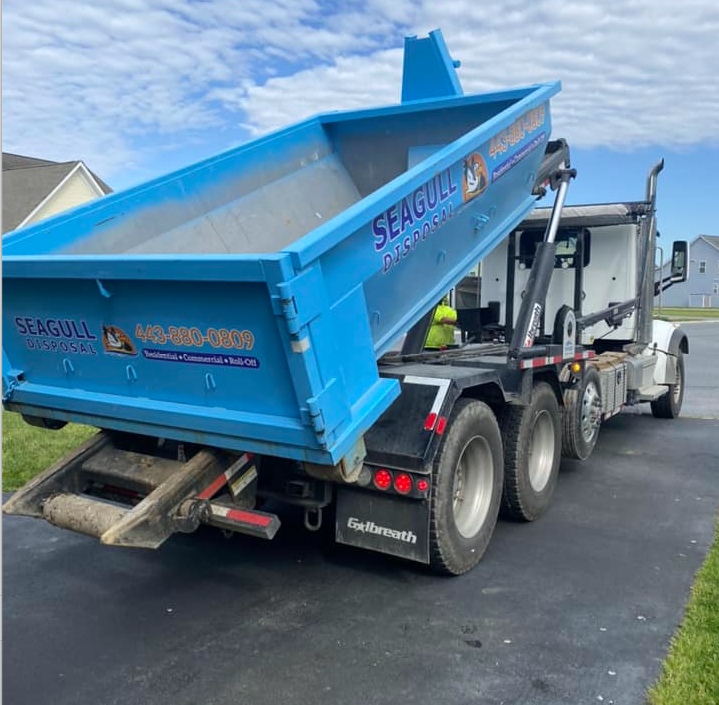
Renting appropriately sized dumpsters keeps construction sites organized by providing centralized locations for debris disposal that don’t interfere with construction activities. Professional roll-off dumpster rentals ensure construction teams have adequate capacity for debris while maintaining clean, safe working conditions throughout project timelines.
Scheduled pickups ensure construction site waste management is removed promptly, keeping projects on schedule while reducing safety hazards associated with accumulated debris. Regular waste removal prevents overflow situations that can create safety violations, pest problems, and project delays while maintaining positive relationships with neighboring properties and local communities. If you are looking for the right team to help you with your dumpster needs, our experts are ready to assist.
Partner With Seagull Disposal for Your Construction Waste Solutions
Implementing sustainable construction practices helps construction projects save money, meet increasingly strict environmental regulations, and protect the natural resources that Eastern Shore communities depend upon. These practices position construction companies as environmental leaders while improving their bottom line through reduced disposal costs and improved operational efficiency.
Seagull Disposal has built a strong reputation throughout the Eastern Shore construction community for providing professional, reliable dumpster rental services that support sustainable construction site waste management practices. As “The People’s Trash Company,” we understand that construction projects require flexible, responsive service with transparent pricing and no hidden environmental fees or fuel surcharges that can disrupt project budgets.
For a free quote on commercial dumpster services that support your sustainable construction goals, contact our experienced team today. Call (443) 880-0809 to discuss your project’s specific waste management needs and discover how our reliable service can help your construction site operate more efficiently and sustainably.