
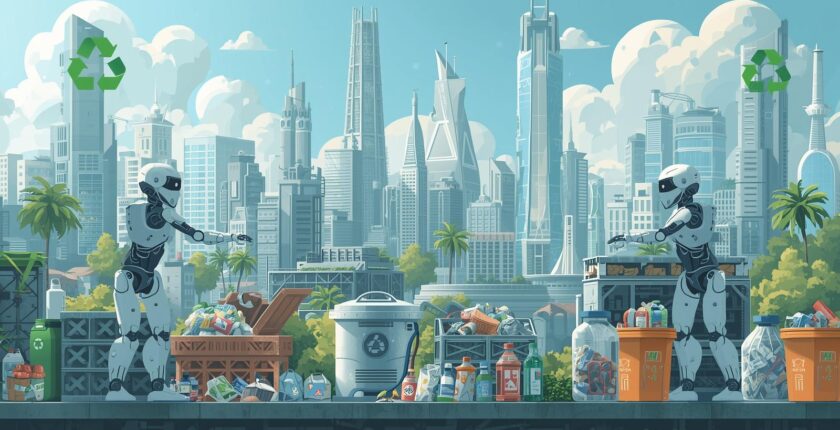
How Waste Management Technology & AI Are Driving Cleaner Communities
Technology is fundamentally reshaping the waste management industry by making collection, sorting, and disposal processes more precise and efficient than ever before. Advanced systems now enable waste companies to optimize every aspect of their operations, from route planning to material recovery, creating streamlined processes that benefit both service providers and the communities they serve.
These technological advancements not only help waste management companies reduce operational costs but also empower communities to achieve ambitious waste reduction goals and sustainability targets. Modern waste management technology creates cleaner neighborhoods, higher recycling rates, and more environmentally responsible disposal practices that protect natural resources for future generations.
At Seagull Disposal, we recognize that staying current with technological innovations enables us to deliver better service to Eastern Shore communities while supporting our environmental stewardship goals. As “The People’s Trash Company,” we’re committed to exploring how emerging technologies, such as artificial intelligence, can improve our services and help our neighbors achieve cleaner, more sustainable communities.
4 Technology and AI Solutions Revolutionizing Waste Management
Artificial intelligence is transforming how waste is identified, sorted, and processed at every stage of the collection and disposal process, creating unprecedented efficiency gains. AI systems can analyze patterns in waste generation, optimize collection schedules, and enhance sorting accuracy in ways that were previously impossible.
With machine learning capabilities, waste management companies can make data-driven decisions that significantly improve recycling rates while reducing contamination in recycling streams. These sensor-based waste monitoring systems continuously learn from operational data, becoming increasingly effective over time and enabling companies to adapt to shifting waste patterns and evolving community needs.
1. Smart Infrastructure
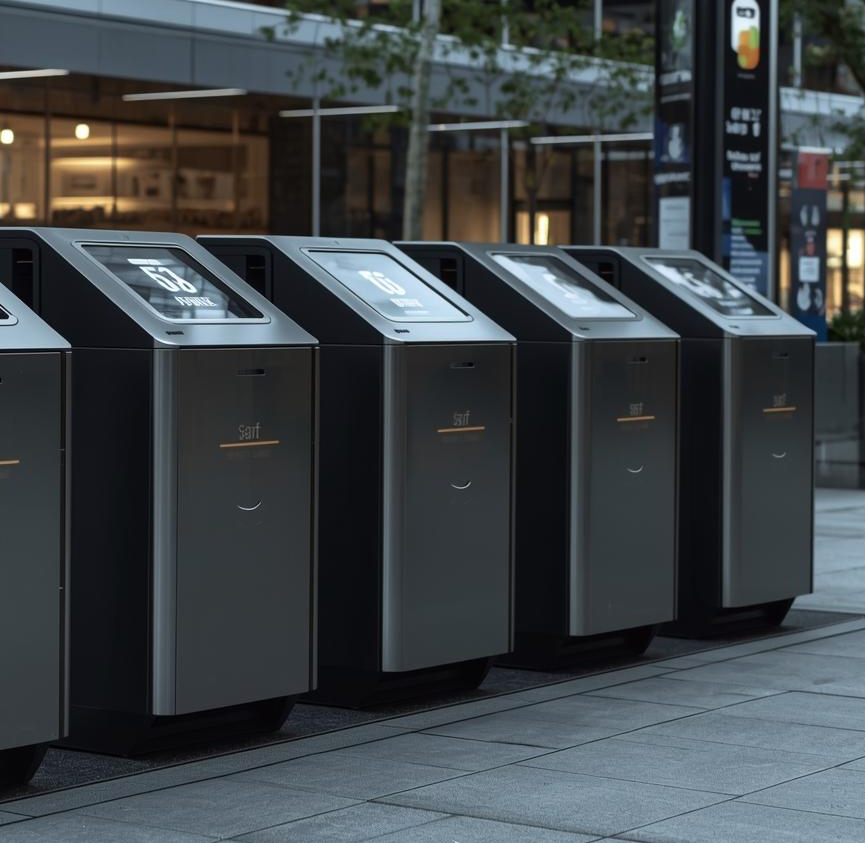
Smart bins equipped with advanced smart sensors continuously monitor fill levels and automatically send alerts to collection teams when emptying is needed, eliminating guesswork from scheduling. These smart bins utilize wireless technology to transmit real-time status updates, enabling waste companies to respond precisely when service is required, rather than adhering to rigid schedules that may not align with actual needs.
This prevents overflowing waste containers, which create unsightly conditions, while reducing unnecessary pickup trips that waste fuel and increase operational costs. Smart infrastructure helps maintain consistently clean neighborhoods by ensuring containers are serviced before they become problematic while optimizing resource allocation for maximum efficiency.
Businesses are increasingly adopting AI waste tracking systems that accurately measure, analyze, and report their waste output patterns to identify opportunities for reduction. These sophisticated waste monitoring systems enable companies to understand their waste generation patterns, track progress toward sustainability goals, and pinpoint specific areas where operational adjustments can minimize environmental impact.
Automated waste audits powered by Artificial Intelligence help companies identify operational inefficiencies and implement targeted strategies to meet corporate sustainability targets and regulatory requirements. These sensor-based waste monitoring systems provide detailed analytics that enable businesses to make informed decisions about waste reduction strategies, demonstrating measurable progress toward their environmental goals.
2. Routing and Logistics
AI-driven route optimization algorithms analyze traffic patterns, container locations, and fill levels to help haulers significantly reduce fuel usage and time spent on collection routes. These intelligent systems consider multiple variables simultaneously, creating optimized routes that minimize travel distance while ensuring all necessary stops are completed efficiently and on schedule. Advanced AI algorithms can process real-time data, including weather conditions, road construction, and special events, to adjust routes for maximum efficiency throughout the day continuously.
Dynamic scheduling capabilities ensure collection trucks only visit locations when containers actually need emptying, dramatically lowering operational costs while reducing vehicle emissions. This responsive approach eliminates wasted trips to partially full containers while ensuring that full containers receive prompt attention, improving both efficiency and customer satisfaction. Smart route optimization systems can also coordinate multiple service types, such as combining regular waste collection with recycling pickup or bulk item removal, to maximize the productivity of each route while minimizing the total number of trips required.
3. Maintenance and Monitoring

Real-time vehicle and equipment monitoring systems help predict mechanical breakdowns before they occur, allowing maintenance teams to address issues proactively and avoid costly operational downtime. These maintenance systems provide predictive analytics data from multiple sensors to identify patterns that indicate potential problems, enabling scheduled repairs during convenient times rather than emergency situations. IoT sensors continuously track engine performance, hydraulic system pressure, brake wear, and dozens of other critical components to provide comprehensive health monitoring that extends far beyond traditional maintenance schedules.
Automated monitoring systems track vehicle performance metrics and maintenance schedules to optimize the lifespan of trucks and equipment, saving waste management companies substantial money over time. By maintaining equipment in peak condition and replacing components before failure occurs, companies can avoid expensive emergency repairs while ensuring reliable service for their customers. These AI waste management systems also generate detailed maintenance histories and cost analyses, which help fleet managers make informed decisions about vehicle replacement timing and maintenance budget allocation, thereby maximizing return on investment.
4. AI-Powered Sorting Systems
Advanced Artificial Intelligence systems, combined with computer vision technology, guide precision robotic arms to accurately identify and separate different materials, including various plastics, paper grades, glass types, and metal waste categories, on high-speed conveyor belts. These automated sorting systems can process materials much faster than human workers while maintaining consistent accuracy levels, which improves overall recycling facility efficiency.
AI-powered waste sorting produces significantly cleaner recycling streams by reducing contamination that occurs when traditional methods incorrectly sort materials. Clean, properly sorted materials command higher prices in recycling markets while reducing the amount of recyclable materials that must be rejected due to contamination issues.
These sophisticated waste sorting systems increase overall material recovery rates by accurately identifying and diverting more recyclable materials from waste streams that would otherwise end up in landfills. Higher recovery rates not only reduce environmental impact but also generate additional revenue for recycling facilities through increased sales of recovered materials.
Machine learning algorithms enable these sorting systems to continuously improve their accuracy and speed as they process more materials and encounter new types of waste. The systems become increasingly sophisticated over time, adapting to changes in packaging materials and consumer products while maintaining high performance standards.
The Ultimate Goals Of Waste Management Technology: Zero Waste
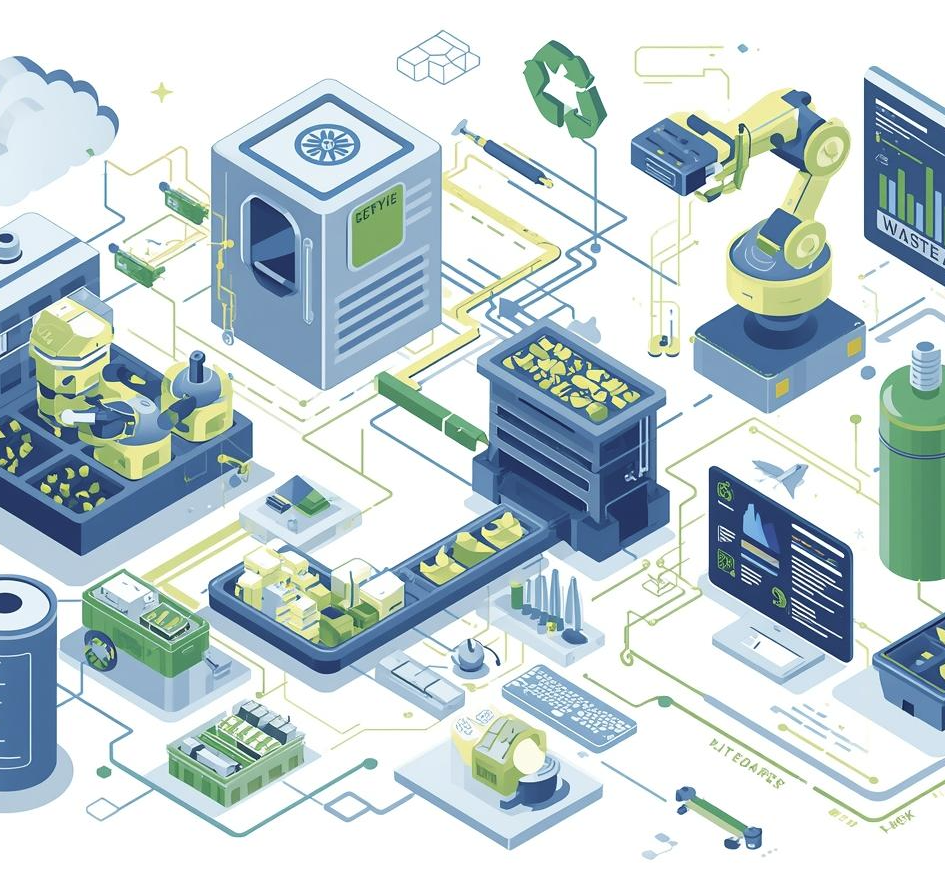
The primary goal driving the implementation of new technologies in waste management operations is achieving zero-waste communities where virtually nothing goes to landfills unnecessarily. Zero waste represents the ultimate integration of technology, planning, and community participation to create circular systems where materials are continuously reused, recycled, or composted rather than discarded. This ambitious goal requires sophisticated tracking systems, AI-powered optimization, and community-wide commitment to rethinking how materials flow through local economies and waste streams.
Achieving zero waste status in communities leads to measurably cleaner neighborhoods, significantly higher recycling rates, and genuinely sustainable waste management systems that protect environmental resources for future generations. Communities approaching zero waste enjoy reduced disposal costs, improved air and water quality, and enhanced quality of life that comes from responsible resource management and environmental stewardship. These communities also often experience economic benefits through reduced waste management costs, new green jobs in recycling and reuse industries, and increased property values associated with cleaner, more sustainable neighborhoods.
Partner With Seagull Disposal for Technology-Driven Waste Solutions
From machine learning algorithms to smart infrastructure integration, technology is rapidly advancing the waste management industry toward a zero-waste future that benefits both communities and the environment. These innovations enable waste management companies to provide more efficient and cost-effective services while helping communities achieve their environmental goals and comply with regulatory requirements.
Seagull Disposal stays current with emerging waste management technology trends and continually seeks opportunities to adopt innovative solutions that enhance our service quality and environmental performance. Our commitment to commercial waste management services and residential waste collection reflects our dedication to providing Eastern Shore communities with cutting-edge waste management solutions backed by exceptional customer service.
To learn more about how our technology-enhanced services can benefit your home or business, contact Seagull Disposal today to discuss your specific waste management needs. Call us at (443) 880-0809 to discover how our innovative approach to waste management can help your community move closer to zero waste goals while enjoying reliable, professional service.