
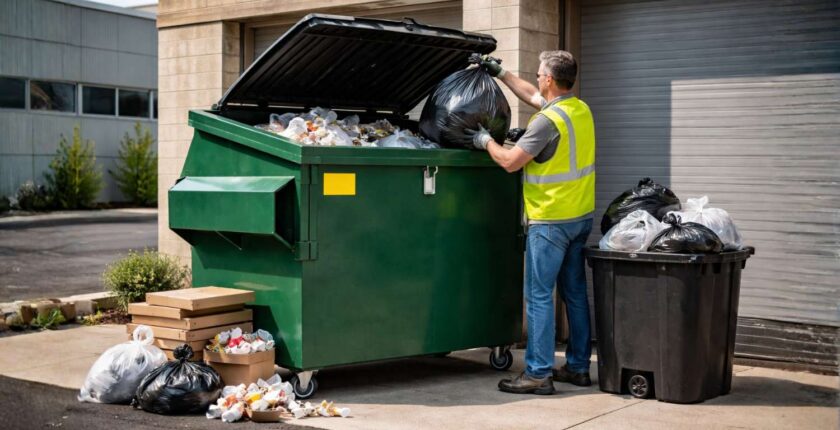
Why Waste Reduction Starts with the Right Commercial Garbage Container
Commercial waste disposal is no longer just about taking out the trash. For modern businesses, it’s a strategic opportunity to reduce costs, improve efficiency, and demonstrate environmental responsibility. While many organizations focus on recycling programs or sustainability initiatives, they often overlook one of the most impactful starting points: choosing the right waste containers.
The truth is simple—your waste system is only as effective as the containers that support it. From size and placement to material separation and waste collection frequency, the right container strategy lays the foundation for meaningful waste reduction.
Why Waste Reduction Matters for Businesses Today
Every business generates waste, whether it’s packaging materials, food scraps, paper products, or construction debris. Without a structured system in place, much of that waste ends up in landfills unnecessarily—costing money and increasing environmental impact.
Effective waste reduction strategies can:
- Lower disposal and hauling costs
- Improve operational efficiency
- Support sustainability goals and compliance
- Enhance brand reputation with eco-conscious customers
When managed correctly, commercial waste systems can even turn waste into a resource stream by increasing recycling and material recovery rates .
However, none of these benefits are possible without a strong infrastructure—and that begins with the containers your business uses every day.
The Role of Commercial Garbage Containers in Smart Disposal
Commercial waste containers are more than just storage, they are the control points of your entire waste system. They determine how waste is sorted, how often it’s collected, and how efficiently your operations run.
Organization and Waste Separation
Using designated containers for different waste streams—such as recyclables, organics, and general waste—makes it easier to separate materials at the source. This reduces contamination and improves recycling outcomes .
Without proper containers, even well-intentioned recycling programs fail due to mixed or improperly sorted waste.
Cost Control and Efficiency
The right container size and type directly impact your hauling frequency and costs. Businesses that optimize container usage can:
- Reduce unnecessary pickups
- Lower landfill disposal fees
- Increase recyclable material recovery
Proper waste segregation alone can significantly cut disposal expenses by minimizing the volume of waste sent to landfills .
Safety and Cleanliness
Overflowing or poorly managed waste areas create hazards, attract pests, and negatively impact customer perception. Well-designed container systems help maintain:
- Cleaner workspaces
- Safer environments for employees and customers
- Better compliance with health regulations
Compliance and Accountability
Businesses are often required to follow strict waste handling and documentation regulations. Using appropriate containers ensures waste is stored safely and labeled correctly, helping prevent contamination and maintain compliance .
Choosing the Right Commercial Garbage Container for Your Business
Not all businesses generate the same type or volume of waste, which is why a one-size-fits-all approach doesn’t work. Selecting the right container sizes requires evaluating several key factors.
1. Waste Volume and Frequency
Start by understanding how much waste your business generates daily or weekly. This determines:
- Container size (small bins vs. large dumpsters)
- Pickup frequency
- Need for compaction or overflow solutions
Oversized containers can lead to unnecessary costs, while undersized ones result in overflow and operational issues.
2. Type of Waste Generated
Different industries produce different waste streams:
- Offices: paper, packaging, e-waste
- Restaurants: food waste, grease, packaging
- Retail: cardboard, plastics, shipping materials
- Construction: debris, wood, metal
Each waste type may require specialized containers to ensure proper handling and disposal.
3. Recycling and Sustainability Goals
If your business is working toward sustainability targets, your container setup should reflect that. This includes:
- Clearly labeled recycling bins
- Compost containers for organic waste
- Separate bins for high-value recyclables like cardboard or metals
A well-structured system makes it easier for employees to participate and reduces contamination.
4. Space and Accessibility
Container placement is just as important as the container itself. Consider:
- Ease of access for employees
- Convenience for waste haulers
- Minimizing disruption to daily operations
Strategically placed containers increase participation and reduce improper disposal.
How the Right Container Strategy Drives Waste Reduction
Many businesses focus on reducing waste through policy changes—but the real impact happens at the operational level.
Source Separation Improves Recycling Rates
When employees have access to clearly designated containers, they are more likely to dispose of materials correctly. This leads to higher recycling rates and less contamination.
Studies show that a large portion of commercial waste collection is actually recyclable when properly sorted, meaning businesses often pay to landfill materials that could be diverted .

Centralized Waste Systems Increase Efficiency
Instead of placing bins everywhere, many businesses benefit from centralized waste stations. These systems:
- Encourage mindful disposal
- Reduce contamination
- Improve waste tracking and auditing
Reducing Single-Use Waste at the Source
Container systems also support upstream waste reduction. For example:
- Switching from disposable to reusable items
- Providing compost bins for food waste
- Encouraging bulk purchasing to reduce packaging
Reducing single-use items is one of the most effective ways to cut waste volume and costs over time .
Waste Reduction Strategies For Your Commercial Garbage Containers
Choosing the right containers is only the first step. To maximize results, businesses should build a comprehensive waste reduction strategy around them.
Conduct a Waste Audit
Understanding your waste stream is critical. A waste audit helps identify:
- What materials are being discarded
- Opportunities for recycling or reuse
- Areas where waste can be reduced
Train Employees
Even the best system fails without proper use. Educate employees on:
- What goes in each container
- Why waste separation matters
- How their actions impact costs and sustainability
Monitor and Optimize
Waste management should be an ongoing process. Regularly review:
- Container usage and fill levels
- Pickup frequency
- Recycling rates
Adjust your system as your business evolves.
The Business Benefits of Smarter Commercial Waste Disposal
Investing in the right container strategy delivers measurable returns across multiple areas of your business.
Lower Operational Costs
Reducing landfill waste and optimizing collection schedules leads to immediate cost savings.
Improved Sustainability Performance
Better waste diversion supports environmental goals and reduces your overall footprint.
Stronger Brand Reputation
Customers increasingly prefer businesses that prioritize sustainability. Visible waste reduction efforts help build trust and loyalty.
Regulatory Compliance
Proper waste handling reduces the risk of fines and ensures compliance with local and federal regulations.
Start with the Right Commercial Garbage Container, Transform Your Waste Strategy
Waste reduction doesn’t start with policies, it starts with infrastructure. The containers your business uses every day play a critical role in shaping how waste is handled, sorted, and ultimately reduced.
By choosing the right containers, optimizing placement, and aligning them with your waste goals, you create a system that drives efficiency, lowers costs, and supports sustainability from the ground up.
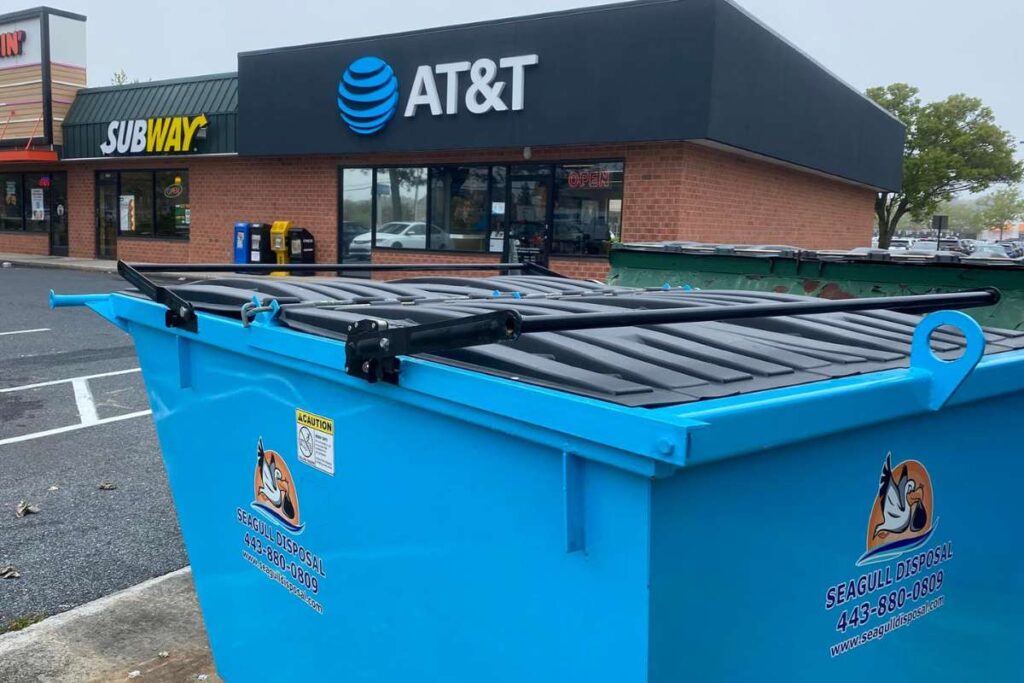
Even with the best internal systems, businesses benefit from working with a professional waste management provider like Seagull Disposal. With years of experience and a sterling reputation within the community, we stand out. Our dedication to providing unmatched service and amenities is unparalleled. From flexible pick-up schedules to top-notch customer support, Seagull Disposal ensures your commercial waste management needs are met seamlessly.For a comprehensive look at how we can support your business, receive a free quote or give us a call at (443) 880-0809. Your clean business environment is just a click or call away.