
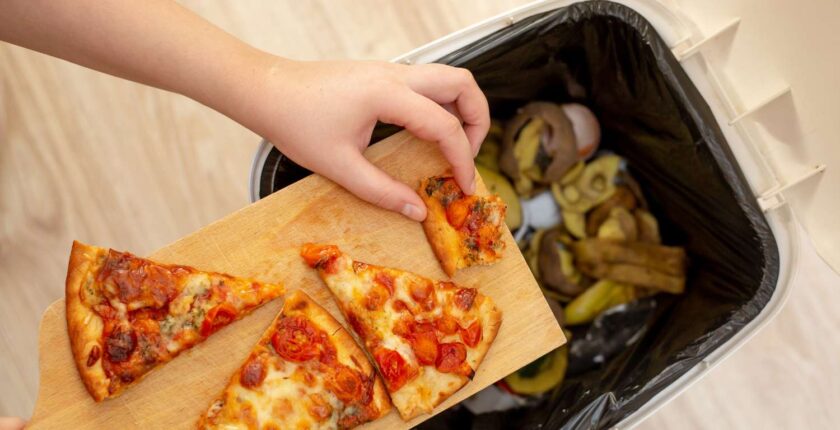
Restaurant Waste Management: Best Practices for Efficiency
Proper waste management is crucial in the restaurant industry, not only for maintaining hygiene and cleanliness but also for minimizing environmental impact. Efficient disposal methods can greatly enhance operational efficiency and reduce unnecessary costs. As the volume and variety of waste generated in a restaurant can be substantial, implementing effective waste management practices is essential for the success of the business.
Commercial food disposal plays a significant role in environmental sustainability by reducing landfill use and lowering greenhouse gas emissions. Proper waste management practices in restaurants can also enhance operational efficiency by streamlining processes and reducing waste handling and disposal costs. Managing waste effectively is a regulatory requirement and a critical component of cost control in the restaurant business.
Seagull Disposal specializes in helping restaurants manage their waste more effectively. By partnering with us, restaurants can tackle their waste management challenges head-on, ensure compliance with regulations, and improve their overall sustainability profile.
Understanding Commercial Food Disposal
Effective waste management in restaurants involves understanding the types of waste generated and their impact on the environment and operations.
Types of Waste Generated by Restaurants
Food scraps: These include leftover food from plates and kitchen prep waste. Organic material can be substantial and should be disposed of or composted properly to avoid contributing to landfill growth.
Organic waste: Items like coffee grounds, fruit peels, seafood shells, and floral decorations can accumulate quickly. These should be composted to reduce methane emissions and create valuable soil amendments.
Packaging materials: Plastic containers, cardboard boxes, bottles, and cans require a well-structured recycling program to avoid contamination and unnecessary disposal fees.
Recyclables: Properly sorting and recycling items like metals, plastics, and glass greatly reduces a restaurant’s environmental footprint.
Hazardous waste: Cleaning agents, chemicals, batteries, and used electronics must be disposed of in compliance with regulatory guidelines.
Environmental Impact of Improper Waste Disposal
Improper restaurant waste disposal contributes to landfill overflow and methane emissions. Mismanaged waste can contaminate water sources, attract pests, and cause environmental damage. Restaurants play a key role in reducing these impacts by implementing responsible waste practices.
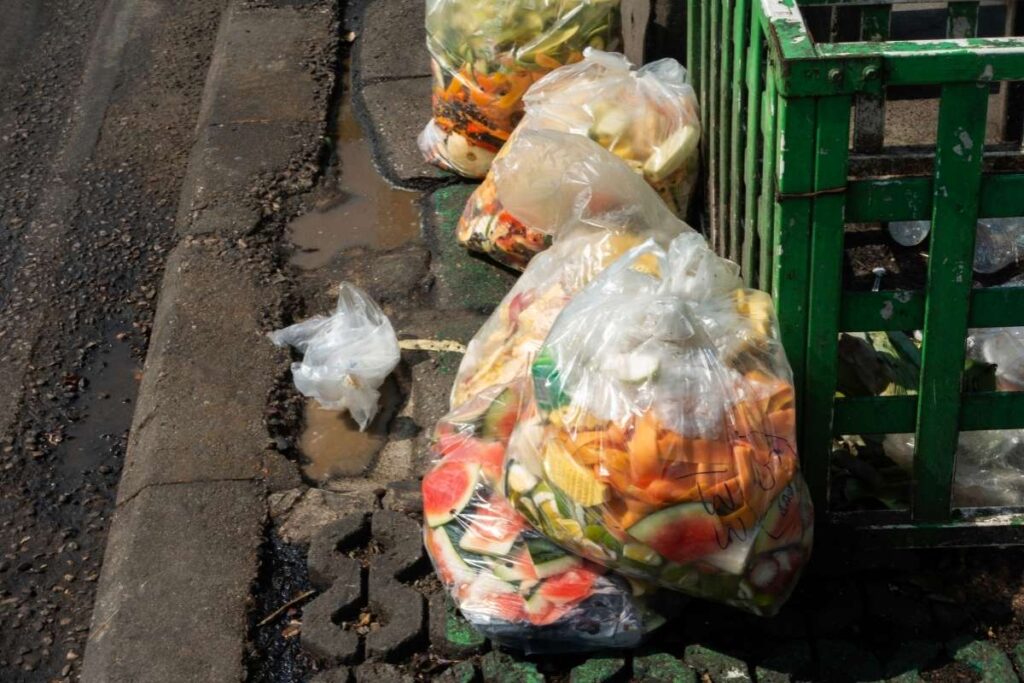
Regulatory Requirements
Restaurants must comply with local, state, and federal waste disposal regulations. Specific rules govern food waste, recycling, grease disposal, and hazardous materials handling.
For example:
- Maryland Environment Article Sections 9-1712 & 9-1713 require businesses to follow recycling and organic waste diversion protocols.
- Delaware Code Title 7, Chapter 60 mandates comprehensive recycling and proper sorting of materials.
Compliance is critical to avoid fines, meet health standards, and maintain safe operations.
Common Challenges in Restaurant Waste Management
Managing waste in restaurants can present several challenges, each affecting the operation in different ways.
Volume of food waste
Restaurants typically generate large amounts of excess food waste, which can vary daily depending on customer volume and menu changes. This variability requires adaptive strategies for waste handling and disposal. Reducing food waste is environmentally responsible and can significantly cut disposal costs.

Separation of recyclable and non-recyclable waste
Proper sorting of recyclables from non-recyclables remains a challenge in many restaurants. Incorrect sorting can contaminate recyclable materials, making them unsuitable for recycling, defeating sustainability efforts and compliance with regulations.
Storage and space constraints
Many restaurants face challenges related to the lack of adequate space for storing different types of waste separately. This can complicate effective waste management practices and lead to sanitation issues or non-compliance with health regulations.
Controlling disposal costs
The cost of waste disposal is on the rise, and mismanagement can further increase these expenses. Implementing effective waste reduction and recycling programs can help control these costs and improve the restaurant’s bottom line. This is an important part of food waste management for restaurants.
Health and sanitation concerns
Proper waste disposal is crucial to prevent pest infestations, contamination, and potential health code violations. Ensuring that waste handling areas are clean and well-managed is essential for maintaining a safe dining environment.
Best Practices for Restaurant Food Waste Disposal
Adopting best practices in waste management can greatly enhance a restaurant’s operational efficiency and sustainability.
1. Reduce, Reuse, and Recycle
Reduce Food Waste
- Track waste by category (prep waste, over-ordering, spoilage, plate waste).
- Use kitchen display systems (KDS) to improve order accuracy.
- Implement first-in, first-out (FIFO) storage.
Reuse When Appropriate
- Repurpose vegetable scraps for soups or stocks.
- Donate surplus food to food banks following local donation guidelines.
Recycle Properly
- Provide clear signage on bins for plastics, cans, cardboard, and glass.
- Break down boxes to reduce volume and improve storage efficiency.
- Use color-coded bins to avoid contamination.
2. Grease Disposal & Oil Management
Improper grease disposal causes plumbing blockages, odors, and regulatory violations. Restaurants must take extra care.
Best Practices for Grease Management:
- Never pour grease or fryer oil down sinks or drains.
- Use designated grease containers provided by waste haulers.
- Schedule regular pickups for used cooking oil.
- Train staff to properly filter fryer oil to extend its lifespan.
- Maintain and clean grease traps frequently to prevent clogs and municipal fines.
Benefits:
- Prevents plumbing issues and downtime
- Ensures regulatory compliance
- Supports recycling programs that convert used cooking oil into biodiesel
3. Partner with Local Composting Programs
Composting significantly reduces trash volume and improves sustainability.
Restaurant-Specific Items Ideal for Composting:
- Food scraps
- Eggshells
- Coffee grounds & filters
- Paper napkins (unbleached)
- Spoiled produce
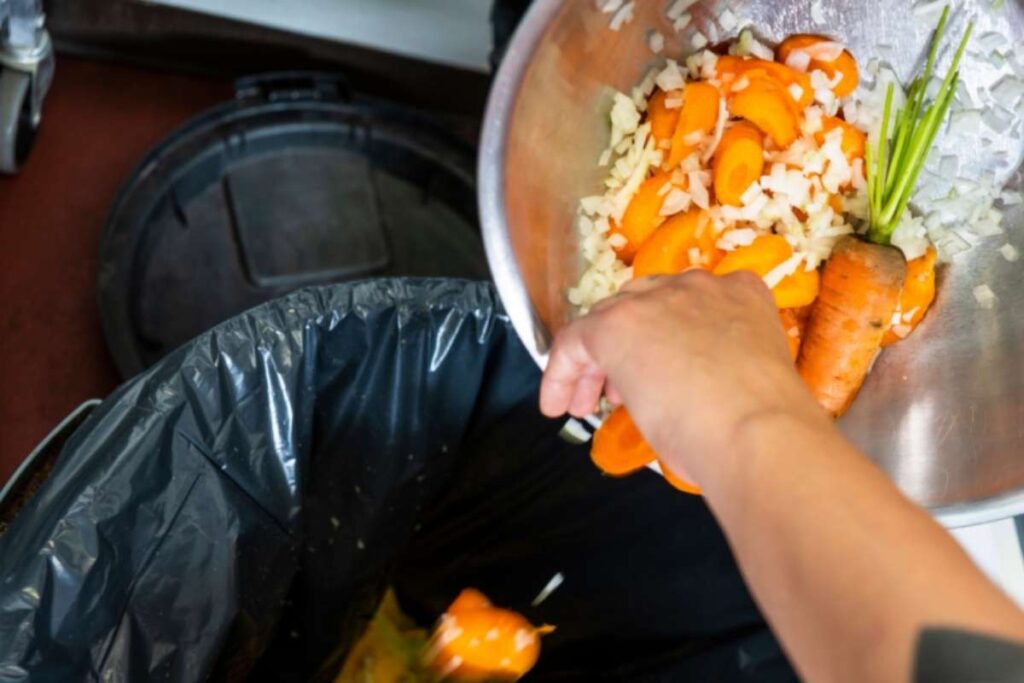
Partnering with a composting facility allows restaurants to cut disposal costs and contribute to local agriculture.
4. Utilize Technology to Monitor Waste
Waste tracking systems measure waste by weight and category, helping managers identify inefficiencies.
Waste Reduction Apps for Restaurants:
- LeanPath – Tracks kitchen waste via smart scales
- Winnow – Uses AI to identify waste patterns
- Too Good To Go – Allows restaurants to sell surplus meals at discount
- Flashfood – Reduces food destined for trash
Restaurants using waste-tracking tech typically reduce food waste by up to 50% in the first year.
5. Implement Employee Training Programs
Staff must be trained regularly on labeling, bin usage, handling hazardous waste, and proper recycling.
Industry-Specific Training Topics:
- How to separate food waste from recyclables
- How to filter & dispose of fryer oil
- Safe handling of broken glass, sharp objects, or chemicals
- What items can and cannot go into the compost bin
6. Schedule Regular Waste Pickups & Conduct Waste Audit
Optimizing collection schedules prevents overflow and improves sanitation.
Tailor Pickup Schedules
Restaurants peak during weekends and holidays. Adjust pickup volume based on weekly trends.
Free Waste Audit from Seagull Disposal
A waste audit identifies:
- Waste volume by category
- Opportunities for cost savings
- Improved bin placement
- Where recycling contamination occurs
This leads to better efficiency and reduced disposal costs.
Let Seagull Disposal Help Your Restaurant’s Waste Management Needs
Effective waste management is essential for any restaurant looking to enhance its operational efficiency, comply with regulations, and contribute to environmental sustainability. Seagull Disposal offers customized waste solutions tailored to each restaurant’s unique needs, helping to optimize waste handling and disposal.
By partnering with us, restaurants can achieve significant cost savings, enhance their compliance with environmental regulations, and improve their sustainability profile. Contact us today to learn more about our reliable restaurant waste management services and how we can help your business achieve its waste reduction goals.